
01
Headache
Head discomfort may be associated with the concussion, neck or other contributing factors.
A gradual, symptom-informed approach supporting recovery and safe return to daily activity, work, school, exercise or recreation.
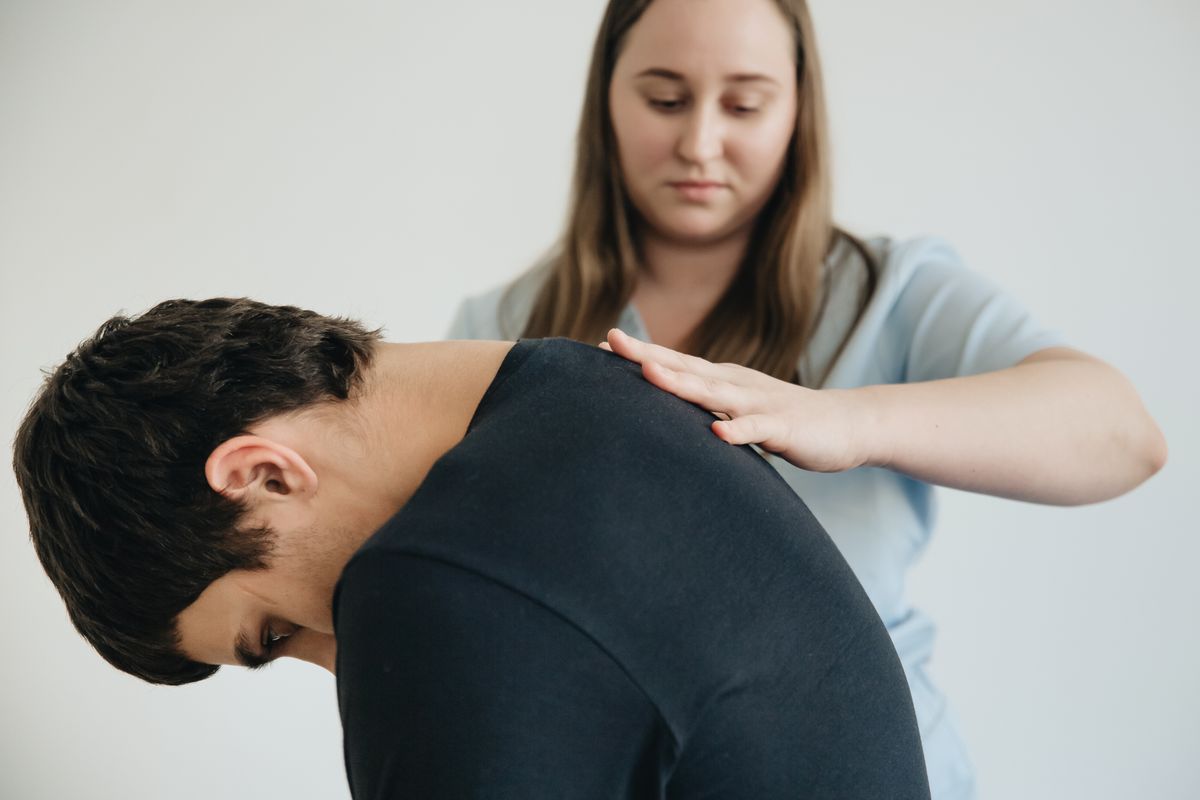
Concussion symptoms and recovery timelines can vary from person to person. Physiotherapy may help assess movement-related concerns and support a gradual return to activity.
Your treatment plan is based on your symptoms, current tolerance, daily demands and recovery goals.
Medical assessment is important following a suspected concussion. Symptoms may change over time.
Head discomfort may be associated with the concussion, neck or other contributing factors.
Some people experience dizziness, unsteadiness or reduced movement confidence.
Busy, bright or noisy environments may temporarily increase symptoms.
Thinking, memory, screen use, work and school tasks may feel more demanding.
Physical and mental activities may require additional pacing and rest.
Changes in sleep, irritability, anxiety or mood can occur during recovery.
Rehabilitation may involve education, symptom monitoring and gradual activity progression based on your response.
If activity significantly worsens symptoms, the plan may be adjusted to allow more recovery before progressing.
Discuss the injury, symptoms, medical care and current activity tolerance.
Assess relevant balance, neck, movement and exercise factors.
Introduce appropriate activity and exercise at a manageable level.
Progress toward everyday activity, work, school or recreation.
Selected balance, movement and visual exercises may be used when appropriate.
Assessment may identify neck mobility, muscle or movement factors contributing to symptoms.
Gradual low-impact exercise may support return to physical activity when medically appropriate.
Practical strategies may help balance activity, symptom response and recovery.
Call 911 or go to an emergency department if a person with a head injury develops serious or rapidly worsening symptoms, including:
Unit 3103, 100 Horse Creek Road, Cochrane, Alberta T4C 2N8
View current appointment availability through our secure CarePoint booking portal.